
UX/UI design and premium brand customer experience
The work began with a UX and technical audit of the existing platform. We analyzed user scenarios, customer churn points, catalog logic, product pages, page load speeds, and the existing system architecture.
Based on the findings, a full UX/UI redesign of the platform was executed. We overhauled the homepage, product catalog, navigation system, and product pages. Special attention was paid to the brand's visual storytelling, the mobile version of the site, and the creation of a unified design system, including typography, interface components, status indicators, and visual guidelines.

The product page now features a structured presentation of fragrance notes, an intuitive volume selection tool, shipping and return information, and a cross-sell recommendation block.
Developing a customer portal for retention
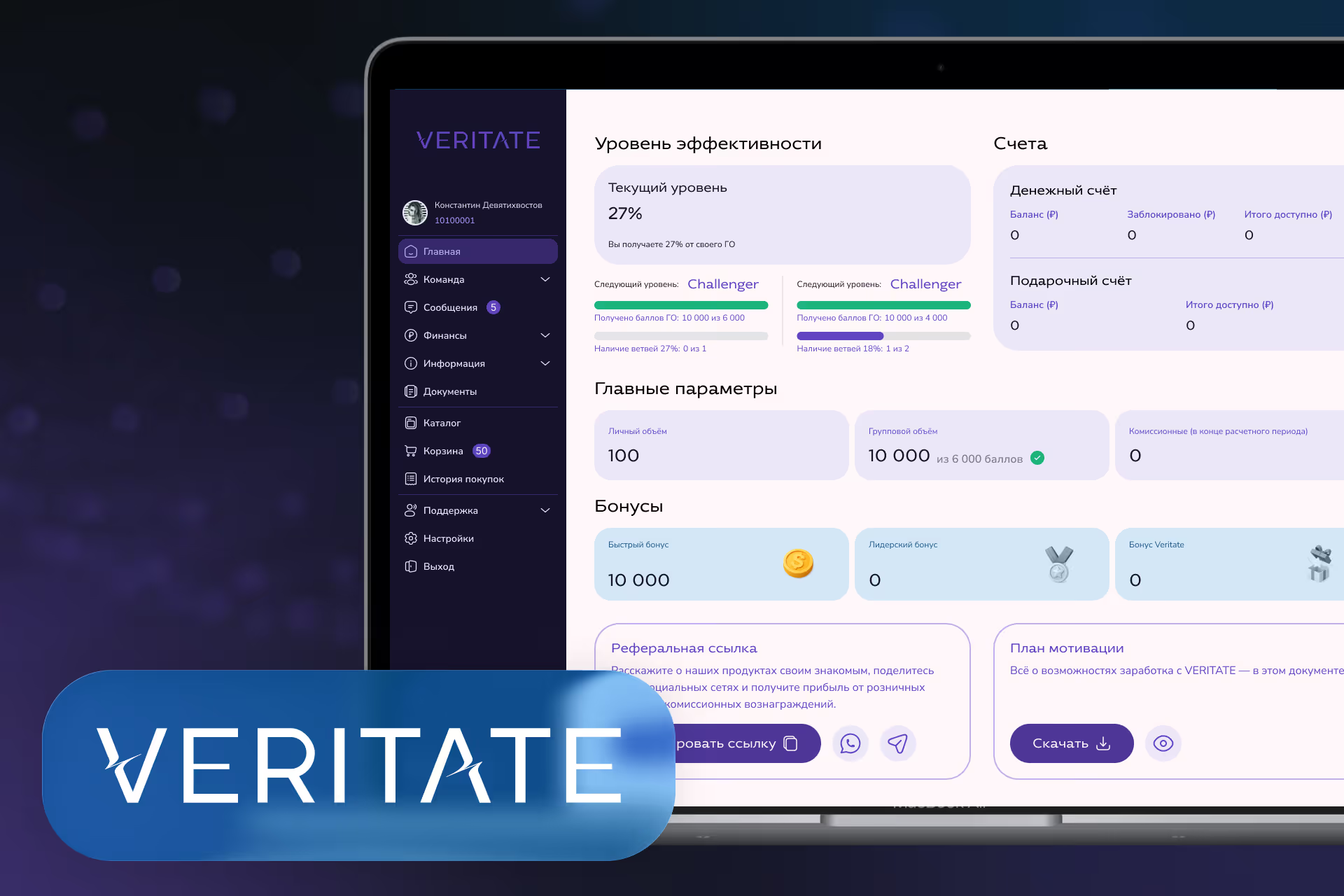
The customer portal was redesigned not merely as an information hub, but as a tool for driving repeat sales and customer retention.
Users now have access to detailed order history, status tracking, one-click reordering, management of shipping addresses and personal data, return workflows, and a role-based access model.
Additionally, we implemented group ordering with the ability to manage and pay directly within the portal, eliminating the need for third-party services.
The core principle of the development was to minimize the number of steps required to complete routine operations.
eCommerce platform and backend architecture development
The project's technological scope included a complete overhaul of the frontend and modernization of the server-side architecture.
On the frontend, the primary focus was on system performance and stability. We optimized page load speeds, interface responsiveness, image processing, and catalog functionality to ensure smooth operation without page reloads.
On the backend, we implemented new order processing logic, payment system integrations, an administrative control panel, a role-based access model, distributor interaction mechanisms, error logging, and prepared the platform for future integrations with CRM and marketing services.
A key challenge was implementing an automatic currency and pricing switch based on the selected region and warehouse. When a delivery region is chosen, prices in the catalog, product pages, and cart update automatically to reflect the available inventory and local currency.
The architecture was designed to accommodate growth in product range, traffic, and user base without requiring future platform overhauls.